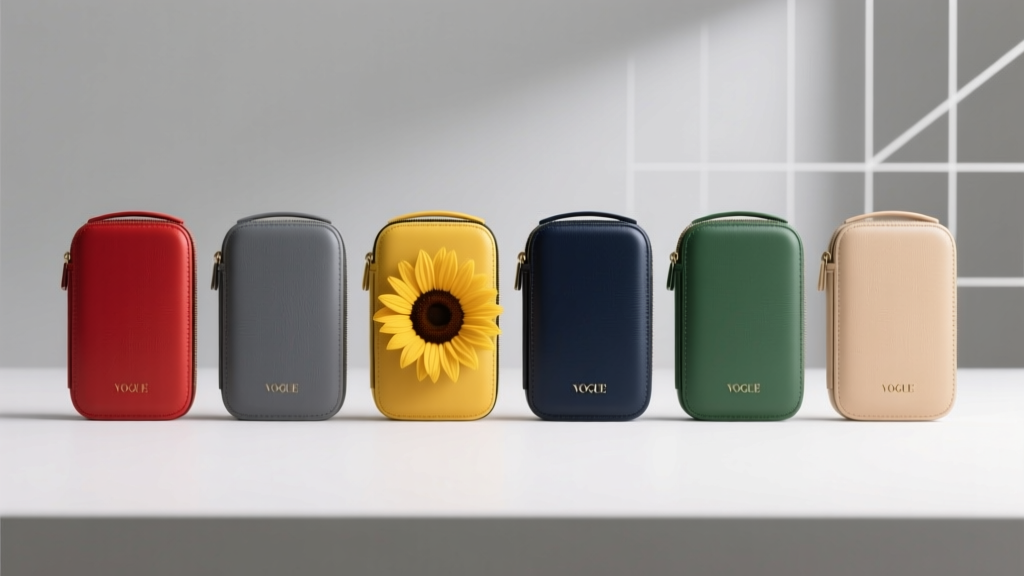
Film Roll Case Color Matching Guide - CarInteriorMix
A film roll case in a car interior sounds niche?until you?ve actually lived with one. Whether you keep 35mm film in the glove box for weekend photo runs, store microfiber cloths and detailing swabs in a ?film canister style? container, or you simply like the retro look of a film roll case as a small organizer, color matching makes it feel like it belongs in the cabin instead of looking like an afterthought.
Car interiors are visual ecosystems. A small item in the wrong shade can stand out more than you?d expect because it sits close to eye level (center console, door pocket, cupholder area) and gets hit by mixed lighting?sunlight, streetlights, and your interior ambient LEDs. When the film roll case color is aligned with your seats, dash trim, stitching, or accent lighting, it looks factory-correct and elevates the whole ?put together? vibe.
This guide breaks down how to choose and match a film roll case color to your interior materials (leather, vinyl, Alcantara, plastic), how lighting affects your choice, and what to avoid so you don?t end up with a case that looks right online but wrong in your car.
What ?Film Roll Case? Means in a Car Interior Context
For car owners, a film roll case usually falls into one of these categories:
- Photography storage: A hard or semi-hard case used to protect 35mm rolls from heat, dust, and crushing in a bag or glove box.
- Small-item organizer: A cylindrical case used for coins, SD cards, USB drives, earplugs, parking tokens, a mini flashlight, or spare fuses.
- Detailing micro-kit: A compact container for cotton swabs, mini brush heads, lens wipes, or a tiny bottle of interior cleaner.
- Style accessory: A case chosen specifically to complement interior aesthetics (especially in builds with curated color themes).
Color matching applies to all of these because the case will likely live in a visible location: cupholders, center console tray, door bin, or seatback pocket.
Start With Your Interior?s Color ?Family?
Before you chase exact matches, identify your interior color family. Most cabins fall into a handful of predictable palettes:
- Black / Charcoal: The most common; can range from deep black to warm graphite.
- Beige / Tan: Often warmer and more reflective; mismatches are easier to spot.
- Gray: Can be cool (bluish) or warm (taupe-ish).
- Brown / Saddle: Popular in premium trims; includes cognac and mocha tones.
- Two-tone interiors: Black + red stitching, black + tan inserts, gray + blue accents, etc.
Pick a Matching Strategy: Blend, Complement, or Accent
Choose one approach so your decision is intentional:
- Blend: Match the case to dominant surfaces (dash/console) so it disappears visually.
- Complement: Match to secondary surfaces (seat inserts, door panels) for a ?designed? look.
- Accent: Match to stitching, ambient lighting color, or a trim stripe for a subtle pop.
Real-world example: If you have a black interior with red stitching, a matte black film roll case with a small red band looks more OEM than a full gloss red case.
Understand Material and Finish: Color Is Only Half the Match
Two items can be the same ?color? and still clash because of sheen and texture. Car interiors mix matte plastics, satin trim, semi-gloss screens, and textured leather/vinyl.
Finish Guide (What Works Best in Most Cars)
- Matte: Best for reducing reflections; looks most like OEM plastic trim.
- Satin: Good middle ground; pairs well with leather and soft-touch surfaces.
- Gloss: High-contrast; can look cheap or ?add-on? unless your interior has gloss black trim.
- Textured: Hides scuffs and fingerprints; great for door bins and console storage.
If your interior is mostly matte and textured (common in daily drivers), a glossy film roll case can look out of place even if the shade is correct.
Lighting Changes Everything (And Why Your Case Looks Different at Night)
Color matching inside a vehicle is tricky because your cabin sees shifting light temperatures:
- Direct sunlight: Reveals undertones and makes lighter colors look even lighter.
- Shade/overcast: Flattens contrast; cool tones can dominate.
- Streetlights (warm): Pushes beige/tan warmer and can make gray look brownish.
- LED interior lighting (cool): Can turn blacks ?bluish? and make reds appear more magenta.
Practical tip: Check your color match in three settings?daylight, evening shade, and at night with interior lights on. If it works in all three, it?s a winner.
Step-by-Step: How to Color Match a Film Roll Case to Your Interior
Step 1: Identify the ?Anchor? Surface
Pick one surface you want the case to match most closely:
- Center console plastic
- Seat leather/vinyl
- Door panel insert
- Dash trim strip (wood/metal/carbon-style)
- Stitching or piping
Step 2: Decide Where the Case Will Live
Location affects what?s practical and what?s visible:
- Glove box: You can prioritize function; color is less critical.
- Cupholder/console tray: High visibility; go for the cleanest match.
- Door pocket: Choose scuff-resistant colors/finishes (matte/textured).
- Seatback pocket: Mid visibility; avoid glossy finishes that catch light.
Step 3: Collect Reference Photos (Correctly)
Phone cameras love to ?fix? colors automatically. To improve accuracy:
- Take a photo of your anchor surface in daylight without flash.
- Include a neutral object (white paper or gray microfiber) in the frame.
- Turn off any strong interior ambient lights for the photo.
- If your phone allows it, lower exposure slightly so blacks don?t wash out.
Step 4: Choose a Color Path (Exact, Near-Match, or Intentional Contrast)
- Exact match: Best for minimalist interiors; choose black/charcoal/tan close to OEM.
- Near-match: Safer when buying online; pick one shade darker than you think.
- Intentional contrast: Works if it ties to another detail (stitching, trim, ambient LED color).
Step 5: Validate Undertones
Undertones are the hidden culprit of ?why does this look wrong??
- Black: Can be cool (blue) or warm (brown).
- Gray: Can be cool (steel) or warm (greige/taupe).
- Tan: Can lean yellow, orange, or pink.
- Brown: Can lean red (cognac) or deep neutral (espresso).
Quick trick: Compare the case color to both your dash and your seat. If it fights either one, you?ll notice it every time you drive.
Step 6: Test Fit Before You Commit
If possible, order from a seller with easy returns. When the case arrives:
- Place it in its intended location.
- Look at it from the driver?s seat (not just standing outside).
- Check it under daylight and at night.
- Touch it?does the finish feel consistent with your interior (sticky gloss vs OEM matte)?
Recommended Color Choices by Interior Type
These recommendations are ?safe bets? that tend to look OEM-friendly in real cars.
Black Interiors (Most Vehicles)
- Best match: Matte black or soft-touch black.
- Good alternative: Charcoal/graphite for softer contrast against deep black consoles.
- Accent option: Black case with a small colored band matching stitching (red, blue, white).
Beige/Tan Interiors
- Best match: Warm tan (avoid ?pale sand? unless your interior is very light).
- Good alternative: Medium brown to ground the look and reduce visible scuffs.
- Accent option: Satin bronze or champagne tones if you have metallic trim.
Gray Interiors
- Best match: Neutral gray with a matte finish.
- Good alternative: Dark graphite (usually looks more premium).
- Accent option: Subtle silver detail if your interior has brushed aluminum trim.
Brown/Saddle Interiors
- Best match: Cognac/saddle with satin finish.
- Good alternative: Espresso (dark brown) for a modern, understated look.
- Accent option: Black case with brown band if your dash is black and seats are brown.
Product Recommendations: What to Look For (And What to Skip)
Instead of chasing a specific brand, focus on features that make a film roll case work inside a vehicle.
Best for Daily Car Storage: Hard Shell, Matte Finish
- Why: Resists crushing in a console, hides fingerprints, stays looking clean.
- Look for: EVA hard shell, zipper closure, matte black/charcoal options.
- Great use: Film rolls + SD card wallet in the same case.
Best for Visible Placement: Premium Texture or Soft-Touch
- Why: Looks closer to OEM plastics and leather grain.
- Look for: Micro-textured polymer, rubberized coating (not sticky), tight seams.
- Great use: Console tray storage where it?s always in view.
Best for Two-Tone Interiors: Case With Small Accent Details
- Why: Lets you match stitching/ambient lighting without overdoing it.
- Look for: Minimal accent ring, stitched strap, or subtle logo in the right color.
Skip These (Common Disappointments)
- High-gloss bright colors unless your build is intentionally bold.
- Cheap rubberized coatings that turn tacky in heat (common in hot climates).
- White or very light cases for high-touch areas?scuffs and dye transfer show fast.
Common Mistakes to Avoid
- Matching to online photos only: Screens vary; lighting in product images is rarely realistic.
- Ignoring sheen: A perfect tan in gloss can look wrong next to matte tan plastic.
- Forgetting undertones: Cool black next to warm black looks mismatched even if both are ?black.?
- Choosing novelty over function: A great-looking case isn?t great if it rattles or doesn?t fit your storage spot.
- Not considering heat: If you store actual film, avoid leaving it in a sun-baked cabin?use an insulated pouch and keep it out of direct light.
Practical Tips for a Clean, OEM-Like Look
- Go one shade darker: Slightly darker cases blend better than slightly lighter ones.
- Match the ?largest nearby surface?: In the console area, match console plastics rather than seats.
- Use a liner: A thin felt or rubber liner in the tray reduces rattles and protects finishes.
- Keep branding minimal: Loud logos draw attention to any color mismatch.
- Pair with one more item: If you choose an accent color, repeat it once (key fob cover, cable, or stitching-colored microfiber) to make it feel intentional.
FAQ: Film Roll Case Color Matching
What color film roll case works best in most car interiors?
Matte black is the safest choice for most vehicles. It blends with common black/charcoal interiors, hides scuffs, and looks closest to OEM trim finishes.
My interior is black, but there are different blacks (dash vs seats). Which should I match?
Match the area where the case will live. For the center console or dash storage, match the console/dash plastic. For a seatback pocket or door insert, match the nearby panel or upholstery.
Should I match stitching color with the case?
Yes, but keep it subtle. A small accent band or detail in the stitching color looks intentional. A fully bright case in the stitching color can look aftermarket unless the rest of the cabin theme supports it.
Is glossy black ever a good match?
It can be if your interior has piano black trim and you?re placing the case next to it. Otherwise, glossy finishes tend to show dust and fingerprints and can clash with matte plastics.
How do I stop a hard case from rattling in the console?
Add a thin rubber mat or felt liner in the tray, or wrap the case with a simple fabric sleeve. Rattles often come from plastic-on-plastic contact rather than the case itself.
If I store real film in the car, what should I watch out for?
Heat is the big enemy. Avoid leaving film in a hot cabin for long periods, keep it out of sunlight, and consider an insulated pouch inside the case. For frequent shooting, rotate film in and out rather than storing it permanently in the vehicle.
Next Steps: Make Your Match, Then Make It Practical
Start by identifying your anchor surface and deciding whether you want the film roll case to blend in, complement the interior, or serve as a controlled accent. Choose a matte or satin finish whenever you can, validate undertones in real lighting, and test placement from the driver?s seat before you commit.
If you want a quick win: pick a matte black or charcoal hard-shell case, add a console liner to prevent rattles, and keep the look clean with minimal branding. From there, you can experiment with subtle accent details that match your stitching or trim.
Thanks for reading?explore more interior styling and storage guides on carinteriormix.com to keep your cabin looking intentional, organized, and OEM-clean.